Best Tabletop Barcode Scanners in 2025

Ever stood in line while a cashier struggles with a handheld barcode scanner that just won’t read the item? It’s frustrating for everyone involved. Enter tabletop barcode scanners—your silent warriors in busy retail checkouts, pharmacy counters, and logistics desks. These compact devices make scanning smoother, faster, and hands-free.
But which one is the best? Whether you’re a small business owner or managing retail operations at scale, we’ve got the full scoop.
Understanding Tabletop Barcode Scanners
Basic Functionality
A tabletop barcode scanner sits stationary, usually on a counter or workbench, and scans items placed in front of it. Unlike handheld scanners, it doesn’t need to be picked up or aimed manually—just swipe and go.
Key Features That Set Them Apart
Hands-Free Scanning
Forget fumbling with cables. These scanners are designed for quick, frictionless scanning, making life easier for cashiers and staff.
Omnidirectional Capability
Most tabletop scanners come with omnidirectional scanning, meaning they can read barcodes from any angle—horizontal, vertical, upside-down—it doesn’t matter.
Speed and Accuracy
Expect lightning-fast scans even with wrinkled, damaged, or mobile barcodes. These are built for volume without compromising reliability.
Benefits of Using Tabletop Barcode Scanners
Boost in Operational Efficiency
With their ability to scan rapidly and accurately, checkout lines move faster, inventory gets processed quickly, and customer satisfaction skyrockets.
Reduced Human Error
No more re-scanning or manual data entries. Accuracy is baked into the technology, which drastically lowers error rates.
Seamless Customer Experience
Fast checkouts, minimal interaction, and reliable service—these scanners contribute to a smoother retail journey.
Industries That Rely on Tabletop Barcode Scanners
Retail Stores
From supermarkets to clothing boutiques, they’re essential tools to speed up the checkout process.
Pharmacies
Speed and accuracy are crucial in pharmacies. These scanners ensure prescriptions and products are processed correctly.
Logistics & Warehouses
Efficient inventory management and order fulfillment are driven by fast and accurate barcode reads.
Libraries and Educational Institutions
Checking books in and out, managing ID cards, or cataloguing—it’s all made easier with a tabletop scanner.
Factors to Consider When Buying a Tabletop Barcode Scanner
Scan Speed and Range
A good scanner should read codes fast—like under a second per scan—and from a decent distance (usually 5–20 cm).
Compatibility and Connectivity
Ensure it works with your POS, computer system, or mobile setup. USB, serial, or Bluetooth—know what suits you best.
Build Quality and Durability
You want a workhorse. Look for rugged builds that can handle daily wear and tear.
Support for Multiple Barcode Types
1D, 2D, QR codes—modern scanners should read them all.
Price vs. Value
It’s not always about the cheapest option. Look for performance, warranty, and support.
Top 5 Best Tabletop Barcode Scanners in 2025
1. Zebra DS9308
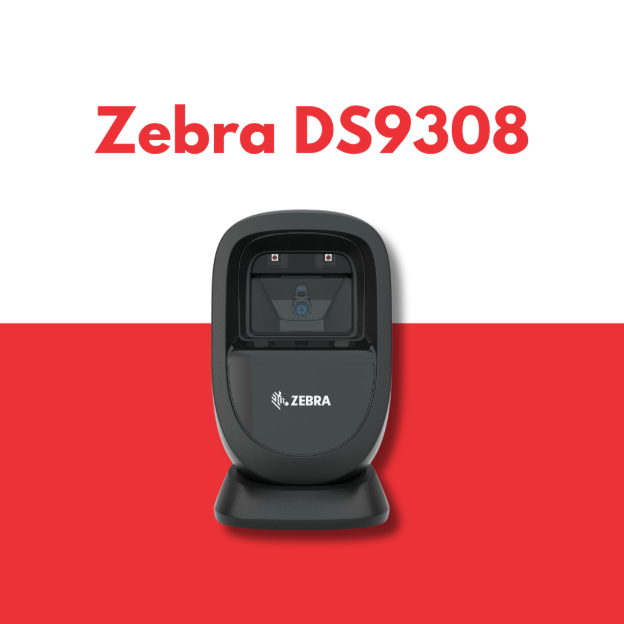
- Overview: Compact, stylish, and built for high-volume environments.
- Pros: Fast 1D/2D scanning, mobile screen compatibility.
- Cons: Slightly higher price point.
- Best For: Retail stores with modern POS systems.
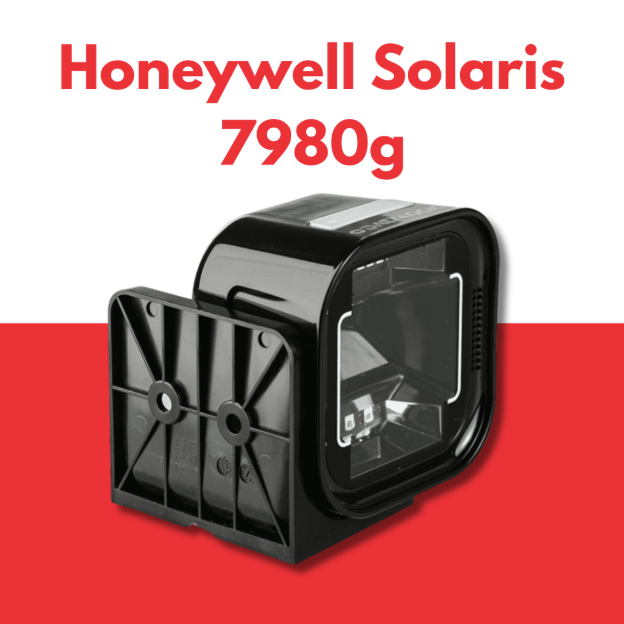
- Overview: Sleek design and powerful scanning in any light.
- Pros: Great for digital barcodes, even on cracked screens.
- Cons: May require software updates occasionally.
- Best For: Pharmacies and convenience stores.
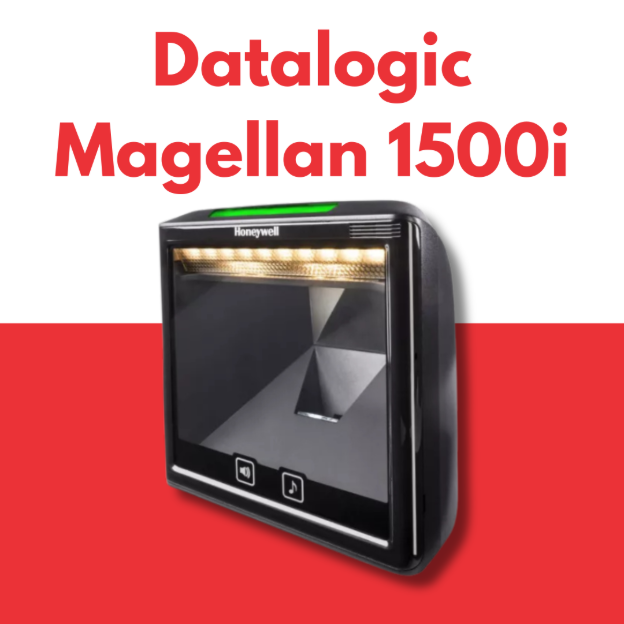
- Overview: A balance of speed and user-friendly design.
- Pros: Reads hard-to-capture codes easily.
- Cons: Slightly bulky.
- Best For: Grocery checkouts and retail counters.
4. DCode DC7132
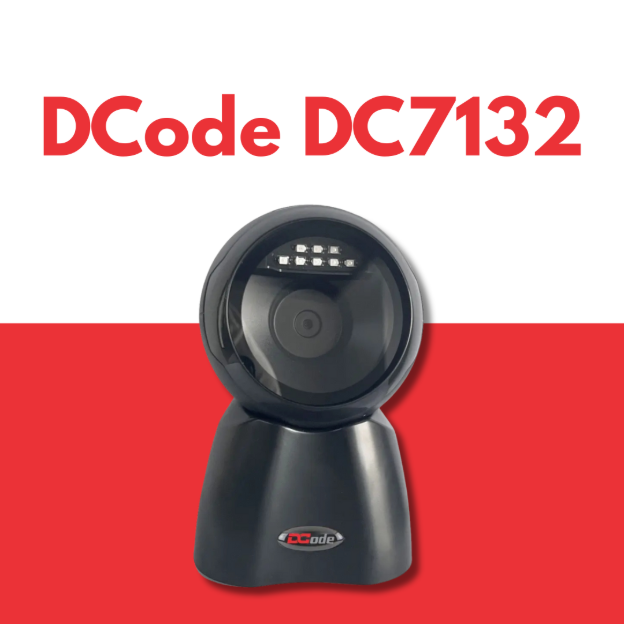
- Overview: A sleek and robust tabletop scanner designed for modern retail and billing counters.
- Pros: High-speed 1D/2D scanning, advanced motion tolerance, screen scanning supported.
- Cons: Slight learning curve for first-time users.
- Best For: Supermarkets, electronics stores, and quick-serve retail counters.
5. DCode DC7142

- Overview: High-performance omnidirectional scanner with superior decoding capabilities.
- Pros: Excellent scanning of damaged or poorly printed barcodes, compatible with all major POS systems.
- Cons: Fit in All Conditions
- Best For: High-volume billing counters, industrial use, pharmacy chains.
Comparing Tabletop vs. Handheld Barcode Scanners
Use Cases
Handhelds are great for mobile environments; tabletop scanners rule in high-traffic counters.
Speed and Efficiency
Tabletops often win with consistent and fast reads, especially during peak hours.
Cost Analysis
Tabletop scanners may cost more upfront but pay off in efficiency over time.
Future Trends in Barcode Scanning
AI-Powered Scanning
Smart algorithms can now detect low-contrast or distorted barcodes and still read them.
Contactless & Gesture-Based Scanning
Imagine waving your item over the scanner—no touch needed. This trend is picking up in hygiene-sensitive environments.
Integration with IoT Devices
Barcode scanners are becoming smarter by syncing with inventory systems, cloud POS, and more.
Conclusion
In a fast-paced world, a tabletop barcode scanner isn’t just a convenience—it’s a necessity. Whether you’re running a retail empire, managing logistics, or streamlining a pharmacy, the right scanner boosts efficiency, minimizes errors, and improves customer experience. Our top picks offer a variety of features across different budgets. Invest smartly, and let your scanner do the heavy lifting.
FAQs
1. What barcodes can tabletop scanners read?
Most modern scanners can read 1D, 2D, QR, and even digital barcodes displayed on screens.
2. Are tabletop barcode scanners compatible with POS systems?
Yes, especially models like Zebra DS9308 and Honeywell 7980g which are plug-and-play with most POS software.
3. Can they scan from mobile screens?
Absolutely. Top-tier models are optimized for scanning codes on phones, even with glare or screen damage.
4. How long do they last?
With proper maintenance, they can last 5–7 years or more, depending on usage.
5. Do they require maintenance?
Just regular cleaning and occasional software updates. Most are built to be low-maintenance.